From Visitor to Insider: Cultivating Authentic Social Bonds in Istanbul's Vibrant Community
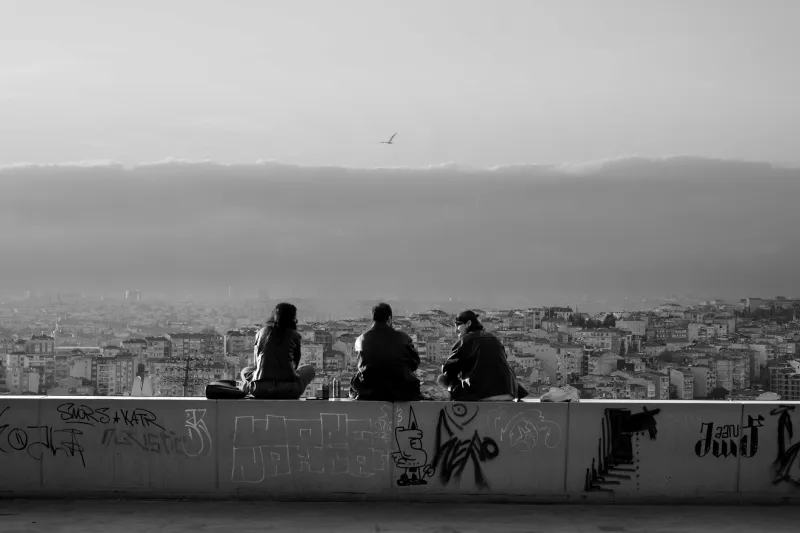
Istanbul has always been a city of thresholds — between continents, between centuries, between the familiar and the entirely unexpected. For American travelers who arrive with curiosity rather than a rigid itinerary, the city offers something that no booking platform can package: the possibility of authentic human connection. Moving beyond transactional encounters requires a willingness to slow down, observe local rhythms, and position yourself where genuine social exchange naturally occurs.
This is not about abandoning the conveniences of curated companionship services. Rather, it is about understanding that Istanbul's social ecosystem is expansive, and that the city's residents are, by cultural temperament, remarkably open to welcoming engaged outsiders into their circles.
Understanding Istanbul's Social Architecture
Before seeking connection, it helps to understand how Istanbul's social life is actually structured. Unlike many American cities where socializing often centers on bars and nightclubs, Istanbul's community life is distributed across a far broader range of venues. Tea houses, cultural associations, neighborhood mosques and churches, art galleries, and even ferry terminals serve as informal gathering points where conversations begin naturally and relationships take root.
The concept of misafirperver — Turkish hospitality — is not merely a tourism slogan. It reflects a deeply held cultural value in which welcoming a stranger is considered a mark of personal integrity. American visitors who approach Istanbul with genuine respect for this tradition will find doors opening that remain firmly closed to those who treat the city purely as a backdrop for leisure.
Cultural Institutions as Social Catalysts
Istanbul's arts and culture scene provides some of the most organic environments for meeting locals who share intellectual and creative interests. The Istanbul Modern, the Pera Museum, and the Sakıp Sabancı Museum all host regular evening events, artist talks, and opening receptions that attract a cosmopolitan, English-friendly crowd. These are not tourist traps — they are spaces where Istanbul's educated middle class gathers to engage with ideas, and where a thoughtful American visitor can enter a conversation as an equal rather than an outsider.
Biennial season, which draws international attention to Istanbul's contemporary art world, is particularly fertile ground for social connection. The city fills with artists, curators, and culturally engaged residents who are naturally inclined toward dialogue with visitors from abroad. Attending satellite events, panel discussions, and studio tours during this period places you in proximity to exactly the kind of open, curious community where lasting bonds form.
Film festivals, literary evenings at Boğaziçi University, and jazz performances at venues like Nardis Jazz Club similarly attract socially engaged locals who welcome conversation with well-prepared foreign visitors.
Neighborhood Life and the Power of Regularity
One of the most reliable strategies for building genuine connections in Istanbul is deceptively simple: return to the same places. Istanbul's neighborhood culture rewards regularity. When you visit the same simit vendor each morning, take your afternoon tea at the same çayhane, or browse the same bookshop on Istiklal Avenue across multiple visits, you transition from anonymous tourist to recognized presence. This shift is more significant than it may appear.
Neighborhoods like Cihangir, Moda, Arnavutköy, and Balat each have their own social personalities. Cihangir, perched above Taksim, has long been a haven for artists, writers, and intellectuals. Its cafes buzz with the kind of unhurried, idea-driven conversation that Americans often associate with European café culture. Moda, on the Asian side, offers a more relaxed, residential atmosphere where community ties run deep and where a friendly face at the local market can evolve into a dinner invitation within a matter of days.
Language Exchange and Community Learning Spaces
For Americans looking to accelerate genuine social integration, language exchange meetups offer a uniquely level playing field. Istanbul hosts a robust network of language exchange events — many organized through platforms like Meetup.com or local Facebook groups — where Turkish speakers eager to practice English connect with English speakers interested in Turkish. The reciprocal dynamic of these gatherings creates an immediate sense of mutual purpose that transcends the usual visitor-local divide.
Beyond language exchange, community learning spaces such as the Hive Istanbul coworking community and various cultural centers operated by foreign consulates regularly host networking events, lectures, and social evenings that attract both expats and locally engaged Turkish residents. These environments are structured around shared intellectual interest, which provides natural conversational footing for Americans who might otherwise feel uncertain about how to initiate meaningful exchange.
Sports, Outdoor Culture, and Shared Experience
Istanbul's geography — straddling two seas, laced with hills, and bordered by the Bosphorus — makes outdoor activity a natural social lubricant. Running clubs, cycling groups, and Bosphorus swimming associations all provide structured environments where physical shared experience builds camaraderie quickly. The Istanbul Hash House Harriers, an internationally affiliated running and social club, is particularly welcoming to foreign visitors and provides immediate access to a warm, multilingual social network.
Football culture, too, offers unexpected entry points. Attending a match at Beşiktaş's Vodafone Park or Fenerbahçe's Şükrü Saracoğlu Stadium — ideally with a local guide who can explain the social rituals involved — places you inside one of Istanbul's most emotionally resonant communal experiences. Shared passion, even across language barriers, creates a sense of belonging that is difficult to manufacture through any other means.
The Role of Patience and Cultural Humility
Perhaps the most important quality an American visitor can bring to Istanbul's social scene is patience. Genuine connection does not follow an itinerary. Turkish social relationships tend to develop gradually, with trust built incrementally through repeated contact, demonstrated respect, and a willingness to listen before speaking. Americans accustomed to the directness of U.S. social culture may initially find this pace unfamiliar, but those who adapt to it invariably describe the resulting connections as among the most rewarding of their lives.
Cultural humility — the recognition that you are a guest in a complex, layered society with its own history, values, and social codes — is not merely good manners. It is the single most effective strategy for moving from the periphery of Istanbul's social world to its warm, generous center.
A City That Rewards the Engaged Visitor
Istanbul does not reveal itself to those who skim its surface. Its most enduring gift — the gift of genuine human connection — belongs to those who approach it with curiosity, consistency, and respect. Whether through the city's thriving arts institutions, its neighborhood rhythms, its language exchange communities, or its outdoor social culture, the pathways to authentic companionship are numerous and accessible.
For American visitors who have experienced Istanbul's curated companionship offerings and found themselves wanting something more organically rooted, the city's broader social landscape awaits. All that is required is the willingness to step beyond the well-marked tourist trail and into the living, breathing community that makes Istanbul one of the world's most compelling destinations for genuine human connection.